Small Business
The goat farmer who majored in religion and history
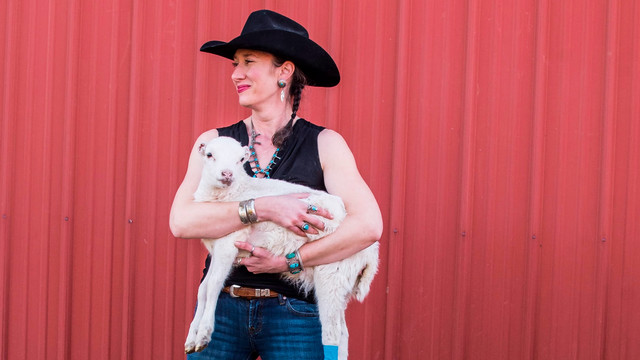
As the fifth generation to steward Harrison Farm near Columbus, Ohio, Katherine Harrison, ’99, manages 700 head of livestock. But what makes her operation remarkable isn’t the numbers — it’s how her history and religion degrees transformed a traditional farm into a thriving cultural crossroads.
When central Ohio became home to large African immigrant and refugee communities, Harrison’s undergraduate study of the Quran and African geography proved unexpectedly vital. She began producing Halal meat products, drawing on her religious studies to build trust with customers whose cultural and faith traditions she understood. That knowledge later led to her appointment on an Ohio Department of Agriculture committee setting Halal processing standards.
“Dr. Treadway taught me about history, but more importantly, he taught me to aspire to achieve.”
“I studied history and religion because I loved learning about the world,” Harrison said. “I never imagined these subjects would one day help to keep my family farm going.”
Guests have visited from all over the world, including Ethiopia, Somalia, Bhutan, Nepal, and China. Her 95 interns have come from Thailand, Great Britain, South Africa, India, Hong Kong, and the U.S. Harrison’s Fearless Female Farmer nonprofit helped her become an ambassador for agriculture, bridging urban and rural communities.
Retired professor John Treadway’s demanding standards shaped Harrison’s work ethic. “Dr. Treadway taught me about history,” she said, “but more importantly, he taught me to aspire to achieve.” That curiosity now manifests daily as she prepares orders for customers from around the world.
“UR gave me the tools to come back to the farm and build a better world,” Harrison said. “I am endlessly grateful and proud to be a Spider,” an identity that taught her a liberal arts education can prepare you for anything — even bottle-feeding a baby goat on Thanksgiving or screaming to scare off hawks while running through snow.