Lives Of Purpose
What’s the best way to travel solo?
Where in the world is Katie Fishman, ’09? The better question: Where isn’t she?
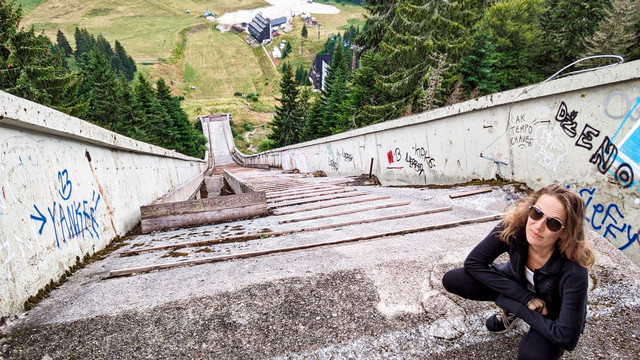
Fishman has mastered work-life balance, juggling remote work as a freelance marketing consultant with her passion for traveling. Her globetrotting began with a year-long trip with her sister. These days, Fishman (above, on an abandoned Olympic ski jump in Sarajevo, Bosnia-Herzegovina) mostly travels alone for several months at a time. After visiting 103 countries, she’s learned the best practices to make the most out of her trip.
Here are her tips for how to solo travel:
1. Pack minimally — only the essentials.
Fishman keeps everything in her 12.5-kilogram backpack, lovingly called Eugene. Inside Eugene, you’ll find the expected items, such as clothes, shoes, and a first aid kit. She also always packs unexpected items, like a lock for staying in hostels, a spork, scissors, and scotch tape.
The key to figuring out the essentials is knowing what can’t be replaced and when to leave things behind. Since Fishman works remotely, her laptop is the most important item she carries. However, she often leaves a shirt or two behind to offload weight, knowing she can buy new ones when she needs them.
2. Let yourself veer off the path.
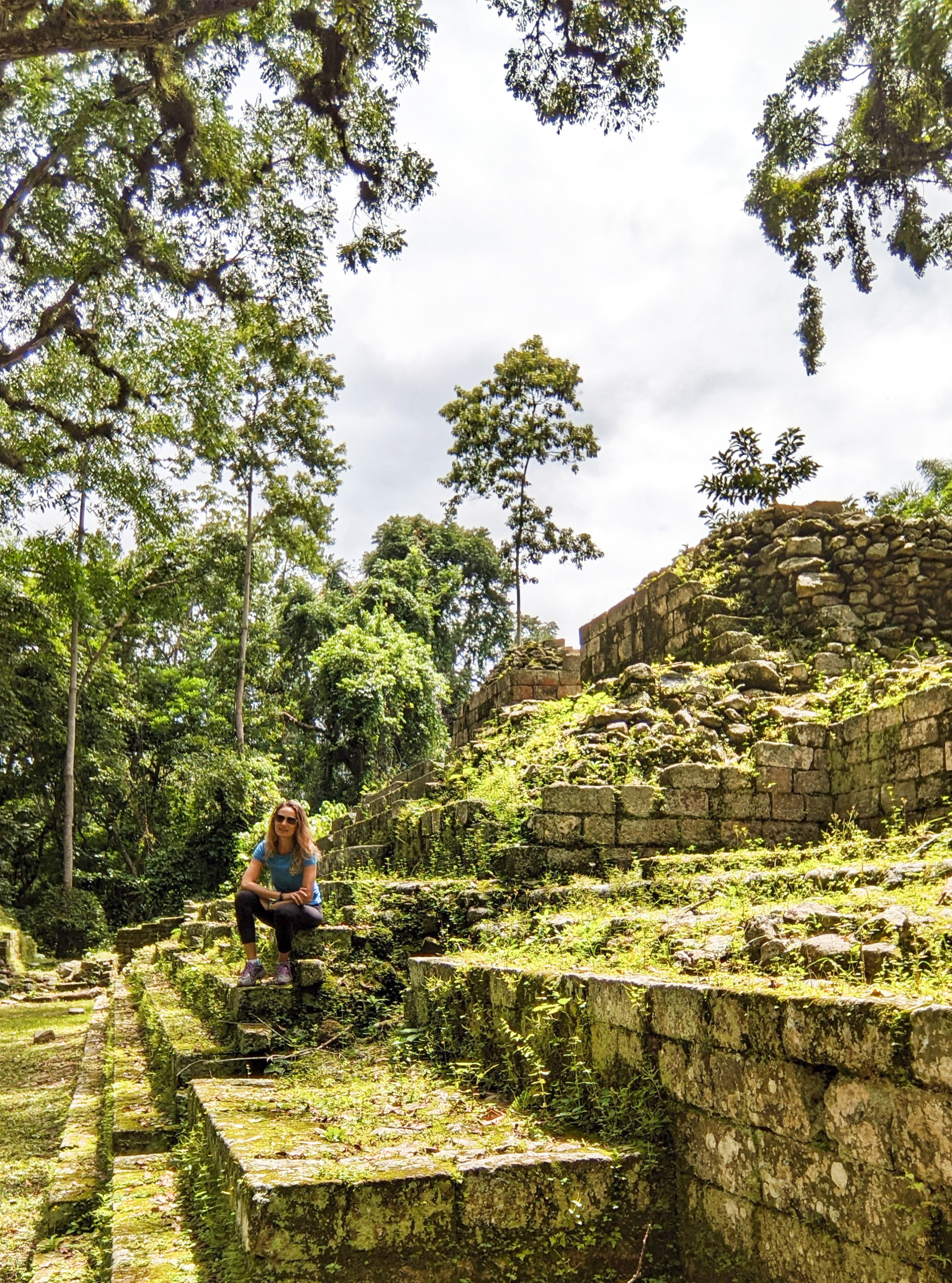
If you flip through her travel album, you’ll see photos of abandoned ski jumps, washed-up remains of boats, and lots of monuments. Fishman has a special place in her heart for off-the-beaten-path locations. While she checks off tourist locations, she also encourages a sense of adventure. Being a solo traveler means you can change plans and let yourself be driven by fascination.
“Sometimes when I’m taking a bus between destinations, if I see somewhere that’s interesting, I’ll just get off,” she said. “Usually the journey along the way is even more exciting than getting to whatever I’m going to see.”
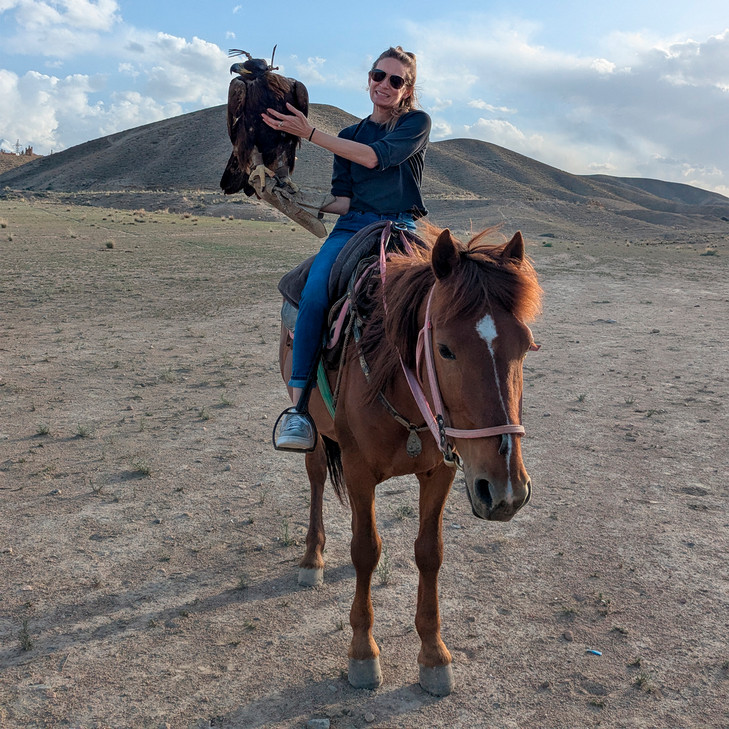
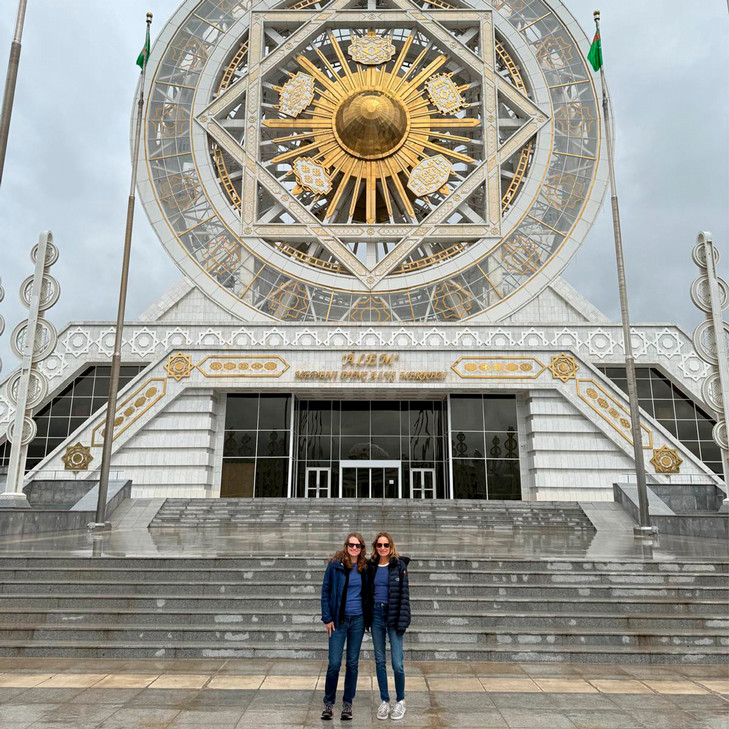
“When I thought about starting to travel, I always thought it was about the place or the sight I was going to see. [But] it’s really been the encounters you have along the way."
3. Adaptability is key.
Even Fishman’s years of travel don’t prepare her for every surprise hurdle. One day, she might have a surprise work meeting that delays an excursion. The next day, she might be stranded in the jungle between Laos and Cambodia.
“I was very structured and organized. I [would] go by the plan,” she says. “[For] traveling, you have to get really uncomfortable. Even if you plan, things go wrong.”
But she believes there is always something to gain, too. In her most memorable case, Fishman arrived in Nepal right as the COVID-19 pandemic shut down travel. Instead of a few days, her stay extended to several months. During that time, she rented a room from a local family, which developed into a lasting friendship. “They have such a special place in my heart,” she said. “[Nepal] was beautiful and it was wonderful, but that experience with the family was the defining travel experience I’ve had.”
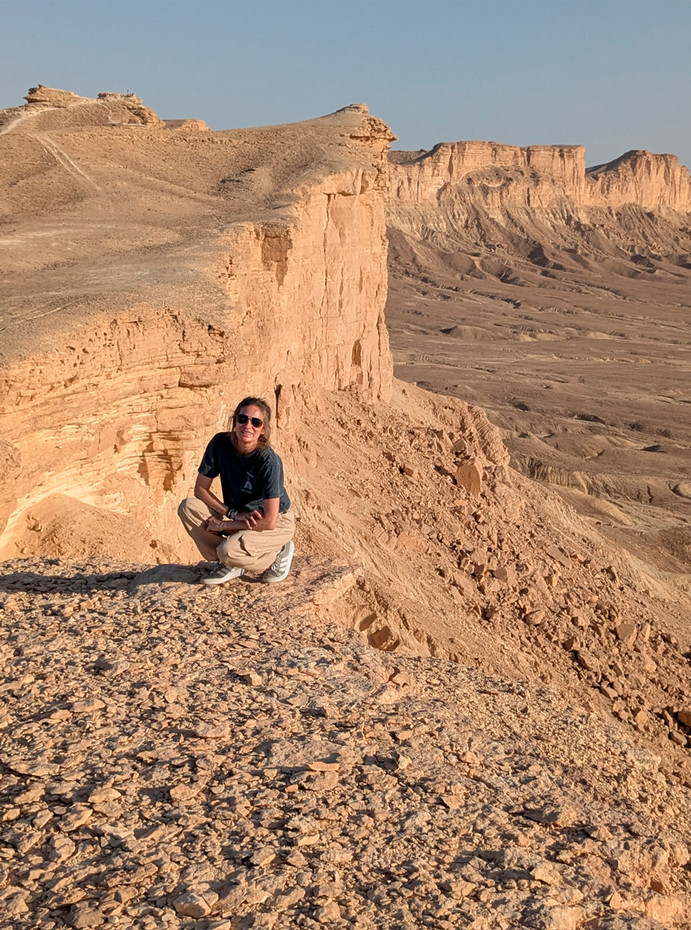
4. Embrace the challenge of going alone.
Each trip, Fishman tells herself the same thing: “It’s more rewarding if it’s challenging or different.” The value of being alone is being pushed out of her comfort zone to grow as a person.
“There’s a safety net where you have someone to talk to or share the planning with, and those things are wonderful, but in the absence of those, you really have to be accountable,” she said. “When you’re alone, you just have to trust yourself and react and make choices.”
She’s never truly alone, though. Along her trips, she’s met other travelers on buses and been invited into locals’ homes for lunch. Her solitude makes her more approachable, and in turn she is more open to meeting people and sharing experiences with them.
“When I thought about starting to travel, I always thought it was about the place or the sight I was going to see,” she said. “[But] it’s really been the encounters you have along the way. The world is so different and vast, [but] at our core people behave very similarly and in many ways are exactly the same.”