Women’s Basketball
The Kresge era begins at the University of Richmond
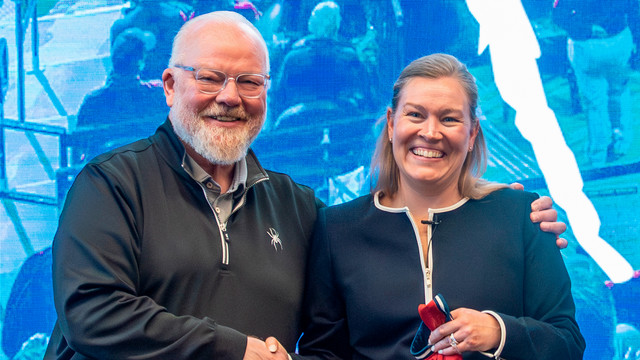
In April, the University of Richmond introduced Alisa Kresge as the 18th head coach of Spider women’s basketball. In eight years as head coach at Vermont, she led her team to five consecutive 20-win seasons and three NCAA appearances.
In 2007, on the eve of the biggest game of her college career, 21-year-old senior guard Alisa Kresge exuded confidence. Her team, Marist, was the first from her conference — men’s or women’s — ever to advance to the Sweet 16 after knocking off four-seed Ohio State and five-seed Middle Tennessee. Kresge was a star of the squad, a three-time conference defensive player of the year who didn’t back down against anyone.
Now they were looking at No. 1 seed Tennessee, a six-time champion coached by the legendary Pat Summitt, still in her prime atop the nation’s most successful program. Kresge wasn’t intimidated.
“You need to forget the name on the jersey,” Marist’s student newspaper quoted her saying before the game. “You just go out and know what they do best and play like you’re playing any other team.”
She brings that we-can-beat-anyone mentality to Richmond, sprinkled with a heavy dash of know-what-they-want-to-do. In her experience and DNA, it starts with defense that gets opponents out of their comfort zones, forces bad shots, and creates relentless discomfort.
“When you’re in somebody’s head,” she says, “it usually changes the game.”
In eight seasons as head coach at the University of Vermont, her approach led to conference dominance. Under her leadership, the Catamounts won three America East conference tournaments and two America East regular season championships. Last season, the team finished 27-8, and Kresge won her second America East Coach of the Year award.
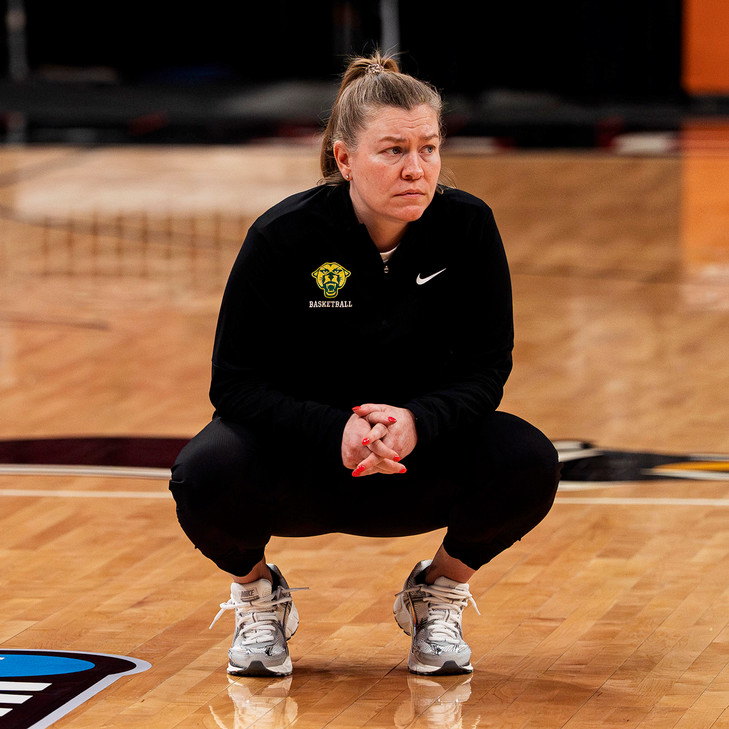
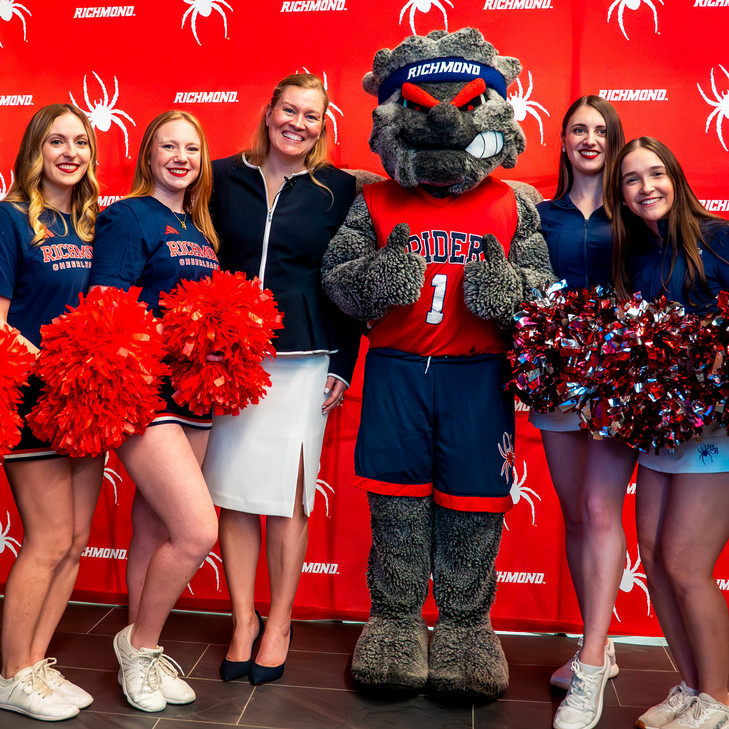
That championship mindset is something she knows is core to Richmond and a big part of the draw to come here. It was at the heart of her conversations as she met current players, solidified commitments from recruits, brought players in through the transfer portal, assembled her new coaching staff, and met supporters and fans.
“We’re in a situation where there’s an amazing culture and program [at Richmond],” she says. “For the players to be eager to meet the new staff and welcome us and know that we’re all here to do the same thing — they’ve been great. I’ve really been impressed with who they are as people and their work ethic. I’m just really grateful for everybody and every interaction I’ve had and for our opportunity to be part of the Spider family.”
She’s looking forward to another branch of that family, Spider fans, being “excited to grow with our team again because we are going to be relatively young. I think that’s going to be really exciting. They’re going to get to grow with some of these young ones and help them stay here and be part of their whole journey in this landscape.”
“We want that to still be our niche at Richmond — that players stay for four years, get an education, have an amazing experience, and look back and think, ‘It was even more than I ever thought it could be.’”