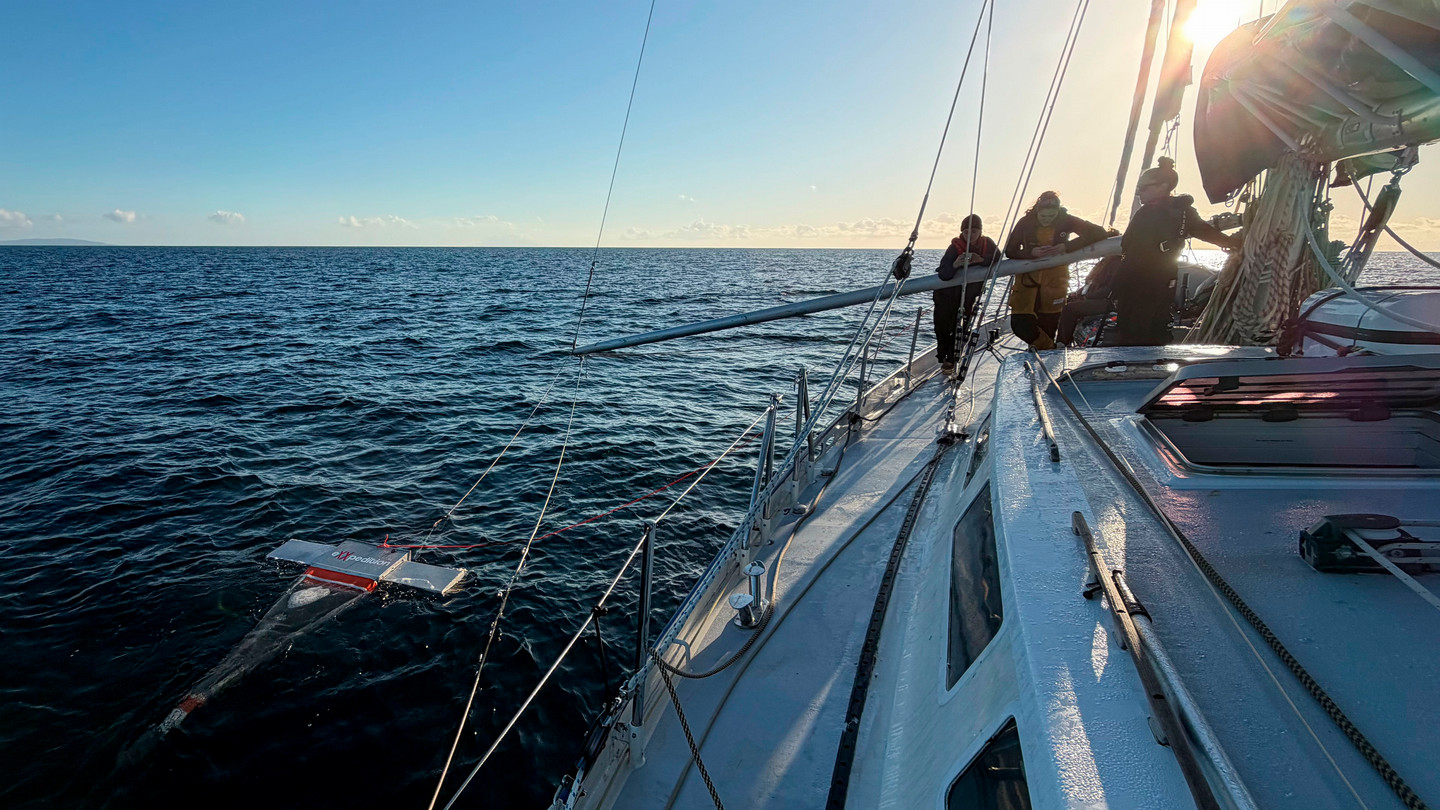
THE JAGGED LINE ON THE GPS TOLD LAUREN HARRISON HOKENSON, ’12, WHAT SHE ALREADY KNEW — she was fighting the current and the South Pacific’s swells, and she wasn’t doing a good job of keeping the sailboat straight. Although it was 4 a.m., she didn’t even have the perk of a skyful of stars overhead. Instead, the cloudy cold bit into her as the crew tossed and tried to sleep on the deck below.
The hardest night of a 10-day ocean expedition left her with the most: more energy, more commitment, and more purpose-driven determination than she’d felt in years.
“I had been letting my fear of doing something outside of the standard, normal, safe, practical path make my decisions,” she said. The trip to the South Pacific Ocean to crew an all-woman voyage seeking to help end the plastics pollution crisis allowed her to reconnect with her dreams and chart her own path.
Purpose comes into view
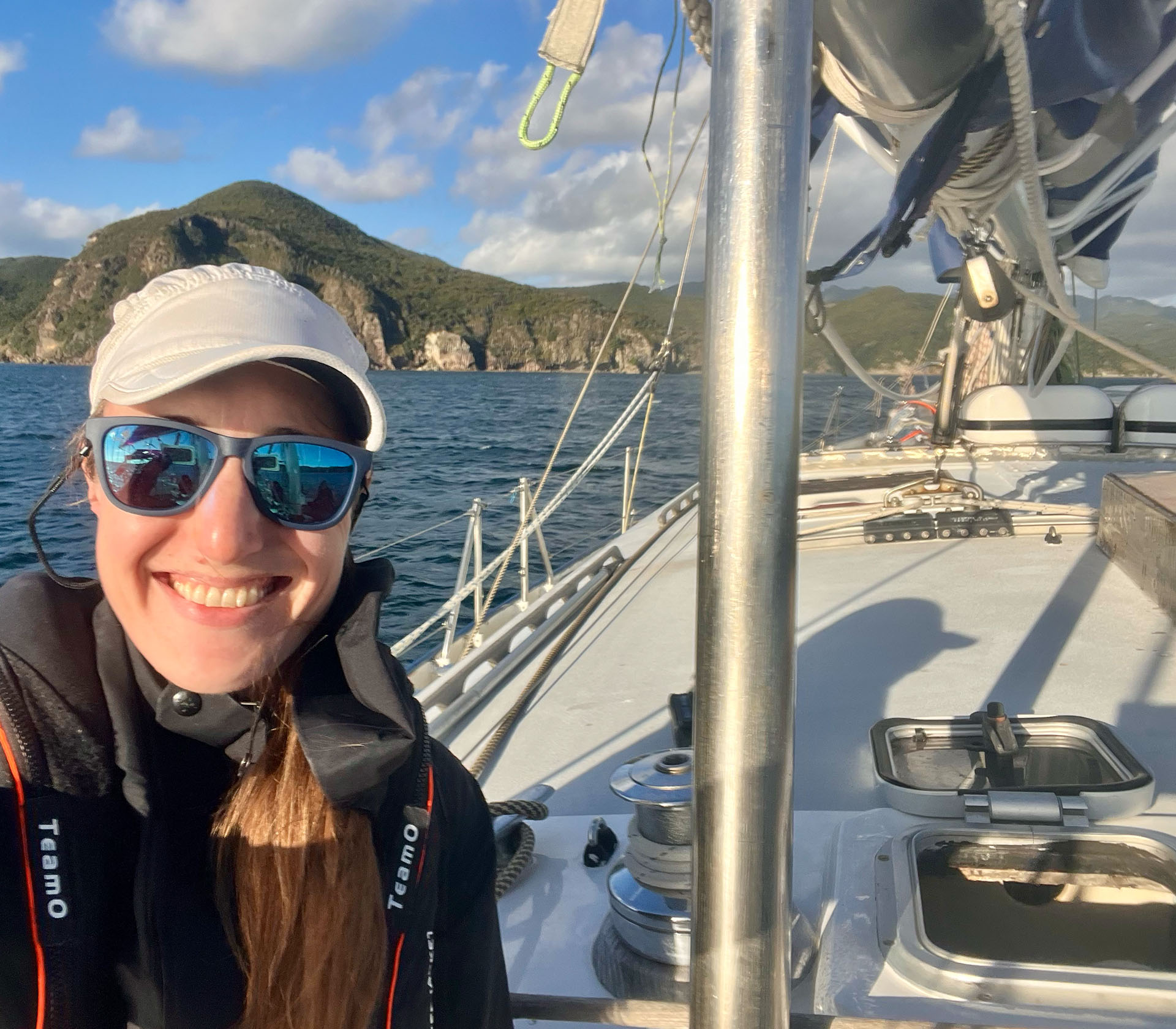
“I had been letting my fear of doing something outside of the standard, normal, safe, practical path make my decisions.”
Plastics had long been on Hokenson’s mind. She and her husband Erikk once embarked on a 30-day challenge to declutter their lives by discarding seven items a day. They also trimmed down their consumption, with Hokenson seeking out refillable and reusable options rather than disposable plastics. She also knew that when synthetic fabric suits degrade, they shed plastic polymers directly into the waters where she loved to swim. “They never go away — they just break down,” she said.
If plastics were on her mind, water was in her blood.
Spending childhood summers on the Maryland and Delaware shores, she and her father would be the first after the long car ride to dive into the waves. Thomas Harrison spent years in the Navy on active duty before 20 years in the reserves. A fisherman who captained a canoe like it was a destroyer, he once paddled a young Lauren to a giant boulder off the coast in Maine so she could take a risky leap into the chilly waters.
The two of them attacked such adventures with joy. That’s why it was especially devastating when doctors diagnosed him with pancreatic cancer in 2022.
“We had 10 months,” Hokenson said, and he was gone.
Losing a parent changed Hokenson. People were always her priority, but now she lingered in conversations longer and visited friends and family more frequently. Her dad’s death also made her question her broader impact in the world.
In spring 2025, Hokenson was on a flight over the Atlantic after visiting a University of Richmond friend in Switzerland when she pulled up a documentary to pass the time. It was X Trillion, the story of 14 women as they sail 3,000 miles across the North Pacific Ocean and into the densest accumulation of ocean plastic.
“I had been feeling very restless about, ‘Who am I? What am I doing with my life? How do I have an impact? How do I be a part of the solution? What does that actually look like?’” she said. “The documentary really came at a good time. It said, ‘This is one of the ways.’”
On the screen before her were women sharing the same commitment to sustainability Hokenson felt as they conducted research on plastics pollution. An estimated 171 trillion plastic particles already float in the world’s oceans.
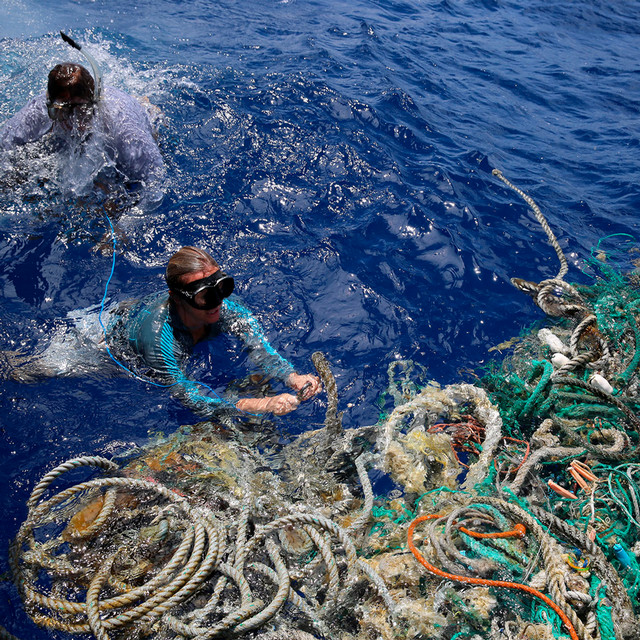
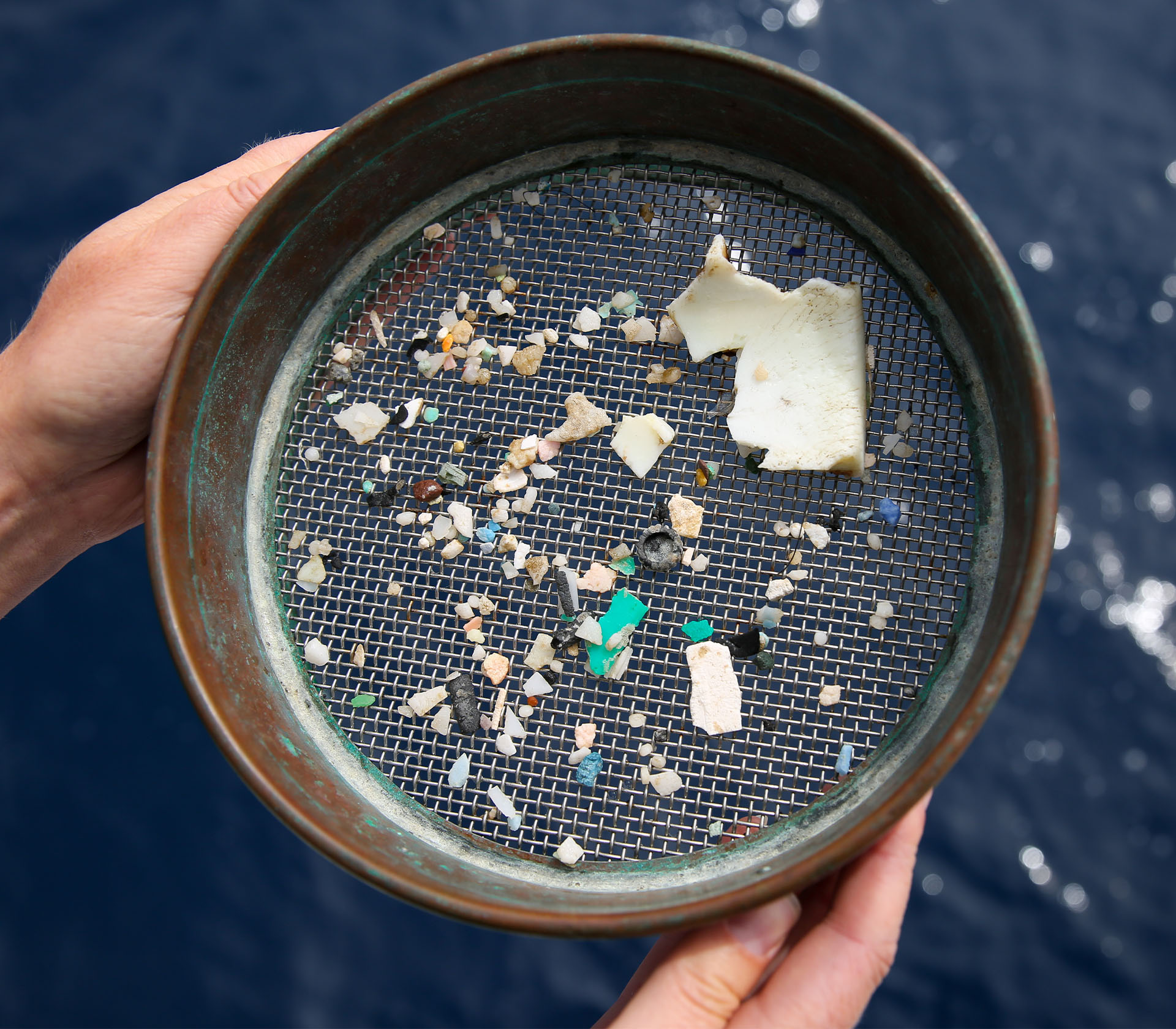
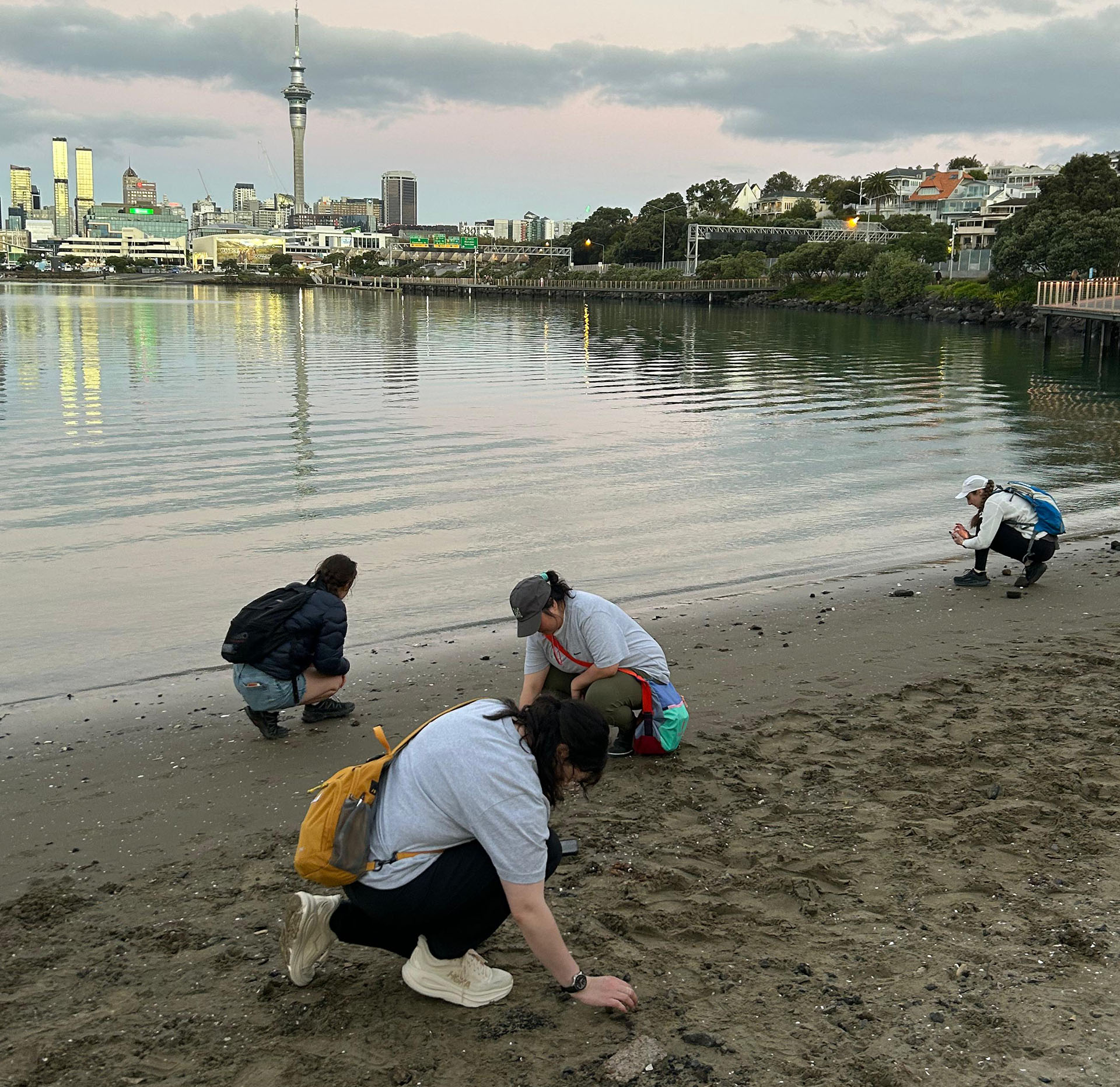
Of the 2,489 debris pieces she and her crewmates tracked on the beaches, 36% of the items were plastic fragments.
When Hokenson got home, she emailed her interest to the nonprofit scientific organization highlighted in X Trillion, called eXXpedition. (The organization uses the nontraditional spelling to signal its commitment to research conducted by teams of women, which further intrigued her.) In fall 2025, she received an invitation to apply for a bold mission: join one of 10 legs crewed by all-female teams to sail the South Pacific from New Zealand to Tonga before visiting the Arctic, Antarctica, Caribbean, and North Pacific.
When Hokenson learned her application was approved for the expedition’s opening leg, she took to the water. With a nod to her Swedish heritage and her dad, she started taking polar plunges and posted videos of them on social media to motivate donors to help fund her trip.
Before each dip, she felt reluctant and nervous. “Then, as soon as I do it, I feel — I feel amazing,” she said. “I feel so empowered. I feel alive. I feel very strong.”
What felt true
Among the words Kathy Harrison uses to describe her daughter is “determined.”
“She always rises to the occasion,” Harrison said.
Determination helped a young Lauren learn how to sew, including stylizing custom beach bags and finishing her own dress just at the nick of time one Christmas Eve. It also helped her stretch her boundaries.
Take, for example, the University of Richmond. When looking at colleges, her parents told the teenager she could search within a day’s drive from their home in Boston. To them, it meant a maximum 9-hour trip. Lauren stretched that to 11, applied to schools in Virginia, and chose the one farthest from home.
“That was classic Lauren,” Harrison said. “You have a boundary, and she just drove it a little bit so that you’re the one that’s unreasonable.”
But with that determination came an expectation she placed on herself to always choose the safe and practical route for fear of failing.
At Richmond, she took courses in the Jepson School of Leadership Studies and added focuses on business administration and German. But in the fall of her senior year, a test in a half-credit career studies course revealed something she’d been ignoring since high school: At her core, she was creative. It listed her ideal professions: fashion design, interior design, and graphic design.
“I’m choosing to trust my instincts and pursue what I love despite not knowing how it will turn out.”
“I remember looking at those results and feeling so conflicted, like, ‘Yes, this feels like me. I would love to do those things for my career, but I’m about to finish a four-year degree that has absolutely nothing to do with those. I’m not about to start over at art school.’”
The jobs she took after college put her in the room with those doing creative work while she worked on brand management or in client services. It was work that moved her forward but not necessarily in a direction that fed her soul.
In 2021, she decided to take a leave of absence, which would also afford her and Erikk more time to spend with their young son, who had recently received a neurological diagnosis.
It was Hokenson’s first step away from the standard, normal, safe, and practical and toward a more authentic version of herself that could embrace her creativity.
She thought back to her career test results and her mother’s favorite story of her: about a 3-year-old Lauren wearing three bathing suits atop one another, because suits were her favorite thing — never mind it was winter.
“I no longer want to let fear rule my decisions,” she said. “Instead, I’m choosing to trust my instincts and pursue what I love despite not knowing how it will turn out.”
In 2023, Hokenson embarked on a fashion design certificate through Massachusetts College of Art and Design and eventually became a tailor with Saks Fifth Avenue. It was another step toward pursuing a long-deferred dream of designing her own swimsuit business with moms in mind — pieces that could be stylish, functional, and sustainable.
Her dad’s death further sharpened her priorities: “How I spend my time, what I value, what I want to be doing with my life,” she said.
This was her state of mind the day she reached out to inquire about the distant expedition after flying home from Switzerland. It’s why her family, aware of her internal conflicts, were some of the biggest donors to her polar plunge-driven fundraising efforts. It’s how this busy mom, social entrepreneur, and swimwear designer found it within herself to set off sailing for 10 days to help save the seas.
What lurked beneath the surface
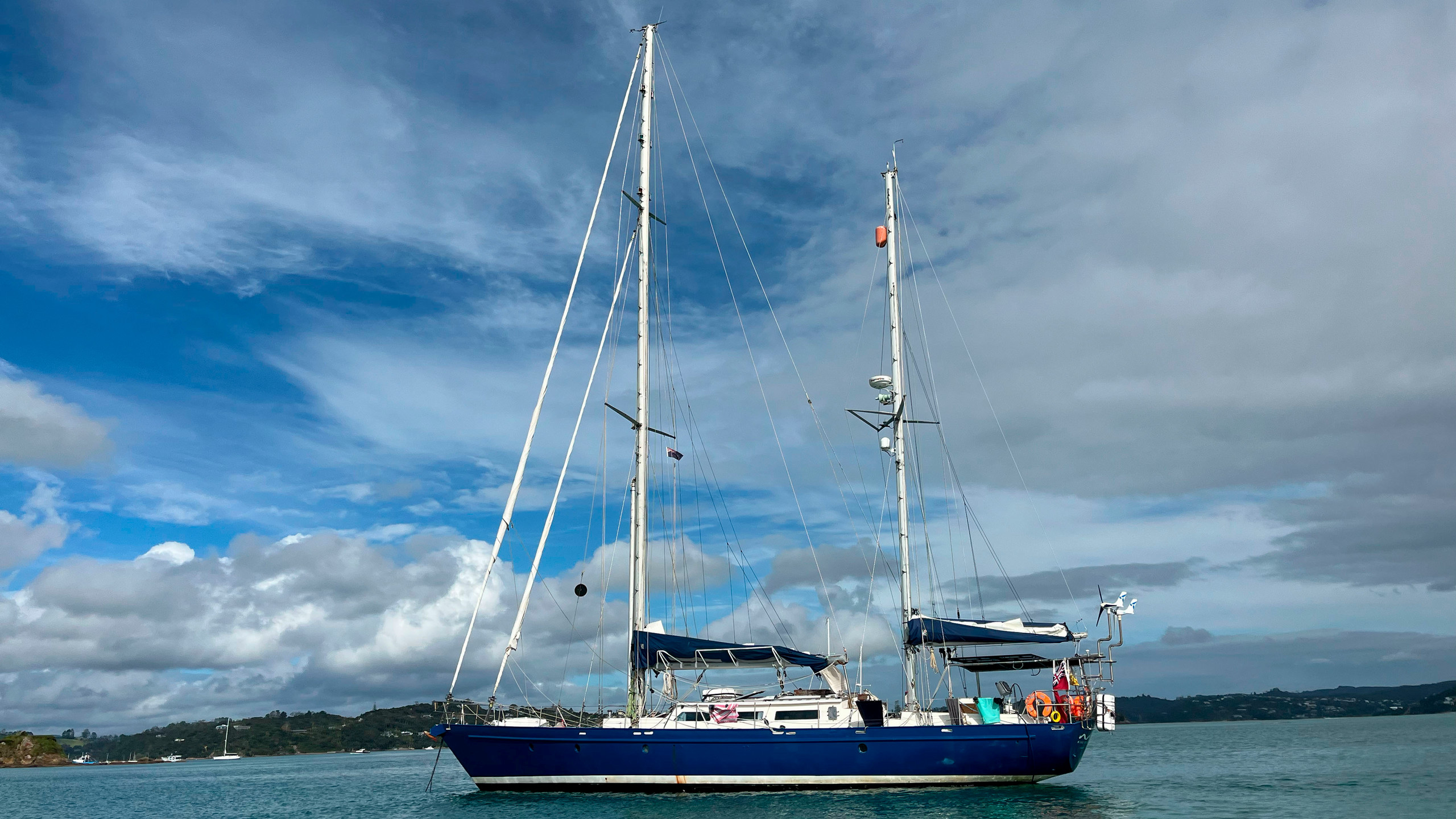
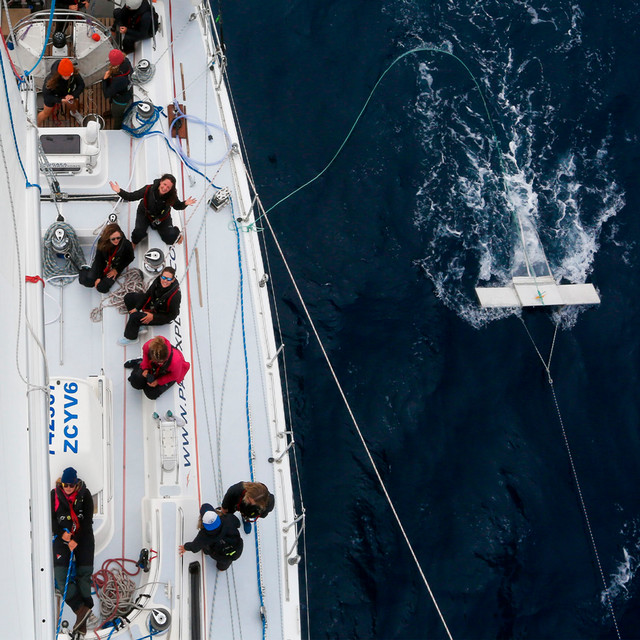
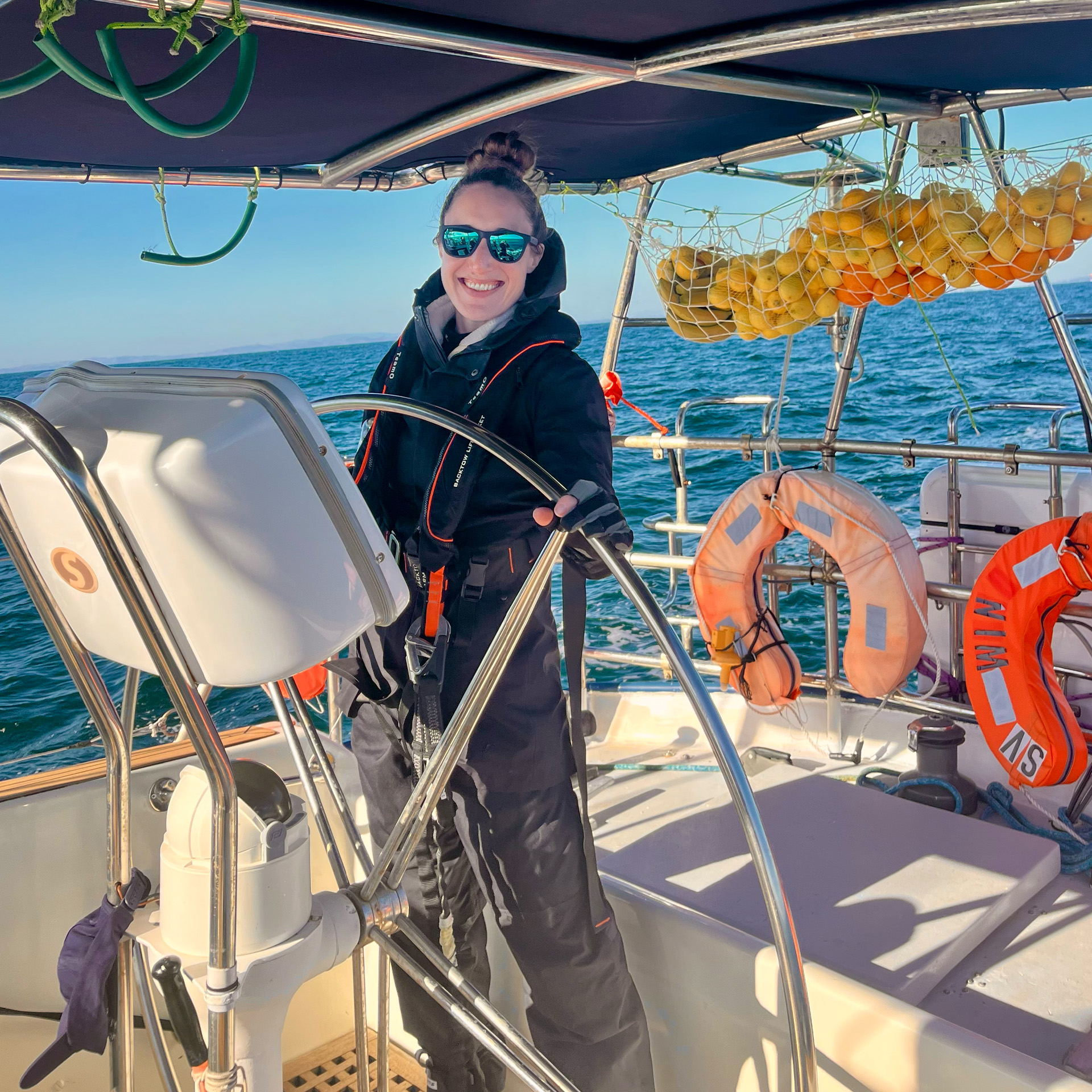
In May, Hokenson flew to Auckland, New Zealand, to join the 13-woman team of the 70-foot sailboat the Wind Swift. In addition to two professional sailors and a mission leader, the 10 guest crew, including Hokenson, worked as citizen scientists to map the plastics problem.
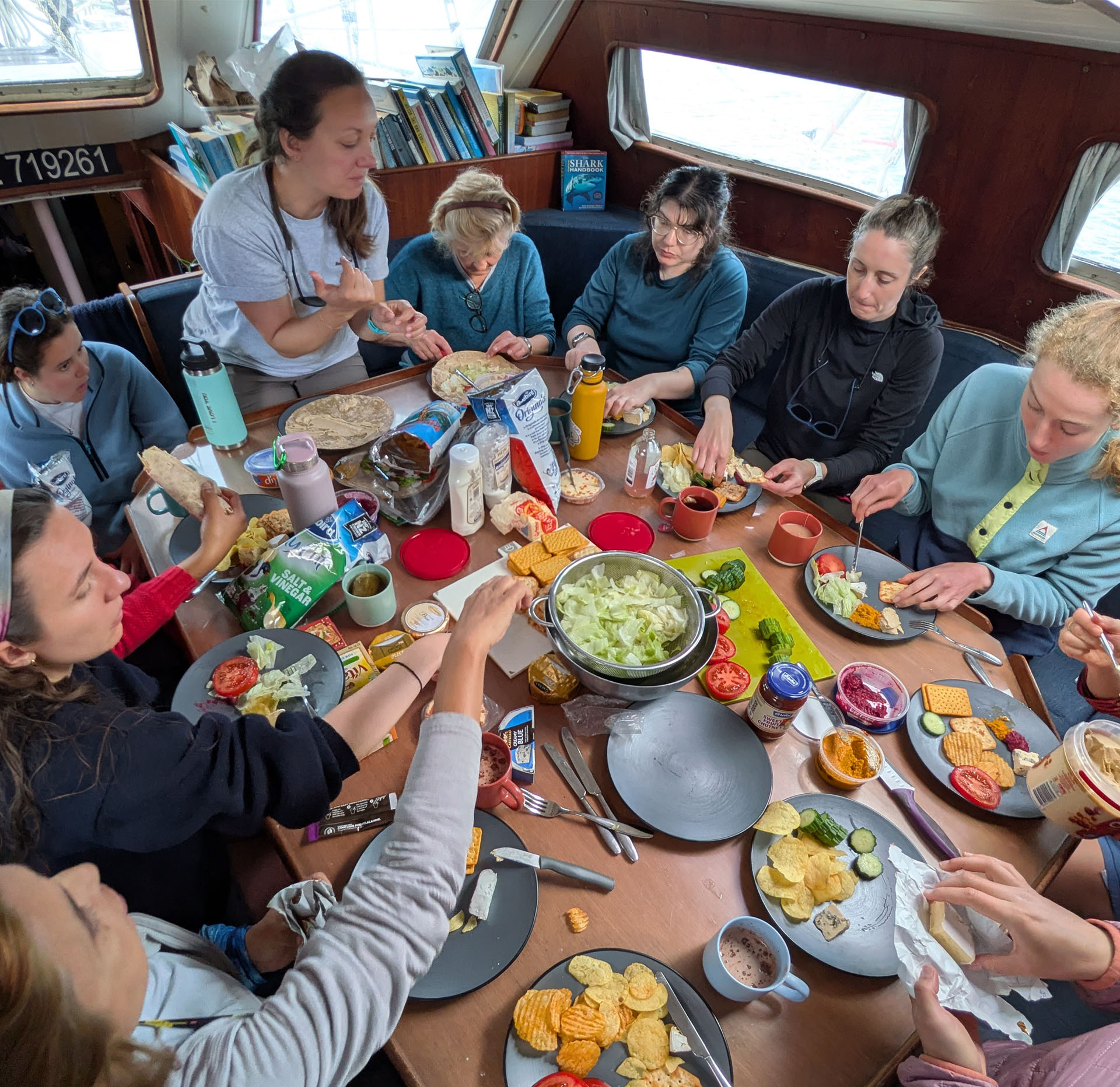
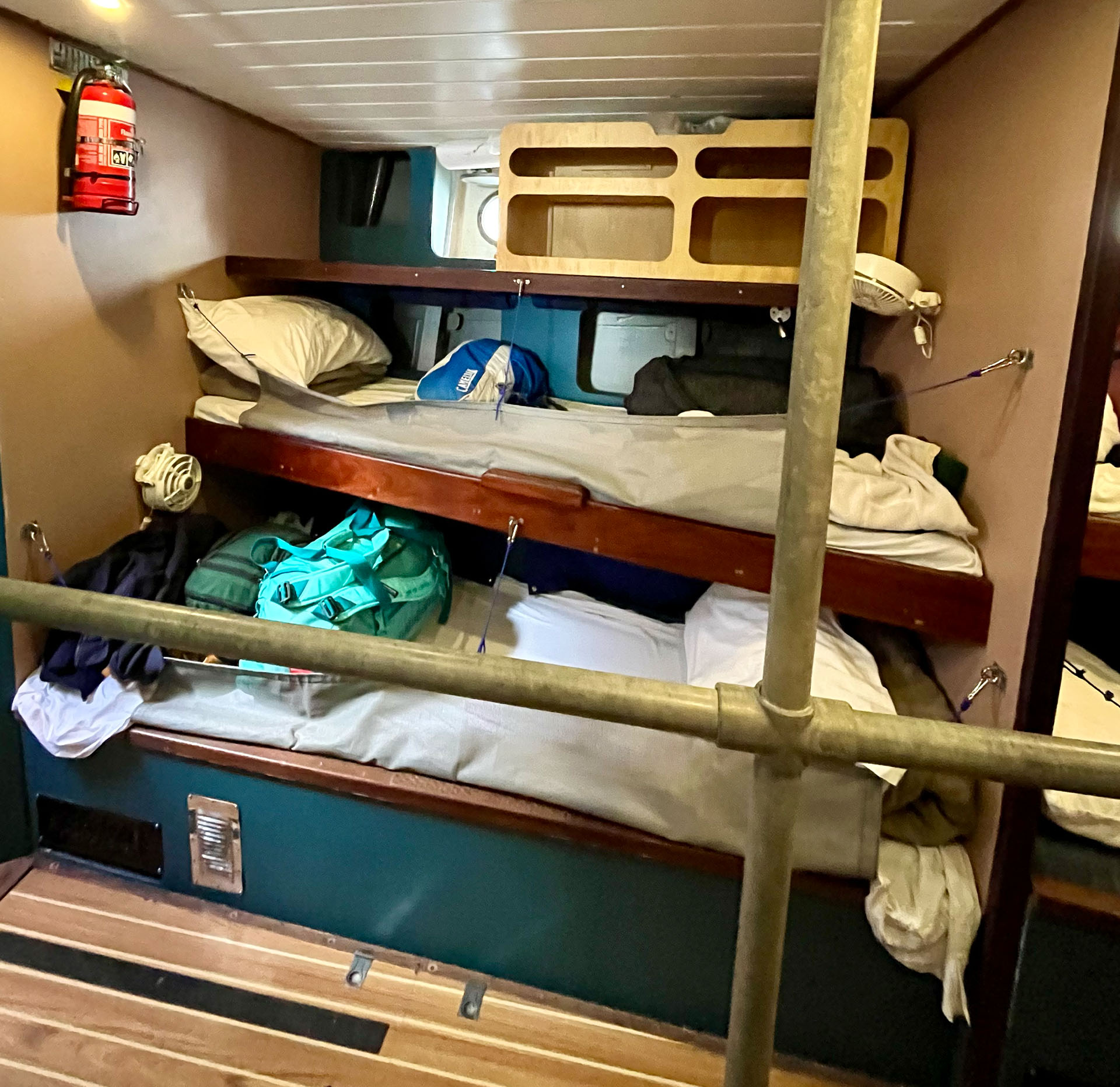
Hokenson claimed a top berth below deck and soon got into the routine of sailing life. The crew squeezed around a common table for meals and spent their time at sea with the tasks of sailing, conducting research, and tending to the chores of the boat.
The first leg of the South Pacific expedition explored the northeast coastline of New Zealand. The crew combined research on the water with shore-based surveys of pollution along tourist destinations, remote islands, and a small coastal town, providing a research base that will be built upon with each new crew tackling another part of the seas.
Immediately, Hokenson was struck by how clean the country looked. New Zealand’s national ban on single-use plastics and hard-to-recycle foodware meant that when the crew scoured beaches for debris, they tracked much less trash than she was used to at home in Boston. But there was still plastic waste from water bottles and bulk packaging, and the crew visited recycling facilities where great bales of plastics stood waiting to be processed.
Not all of the plastic makes it to the recycling facility. Of the 2,489 debris pieces she and her crewmates tracked on the beaches, 36% of the items were plastic fragments.
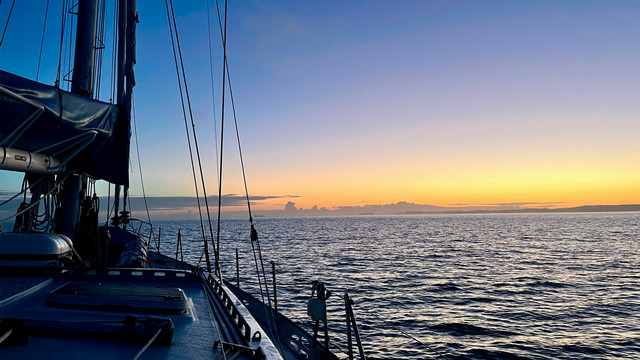
Once on the seas, Hokenson did not find the flotillas of plastic waste that grab headlines. The water looked clear and cold, and she relished her opportunities to jump off the bow and take a swim around. At night, thriving phytoplankton lit the water in iridescent waves of bluish-green.
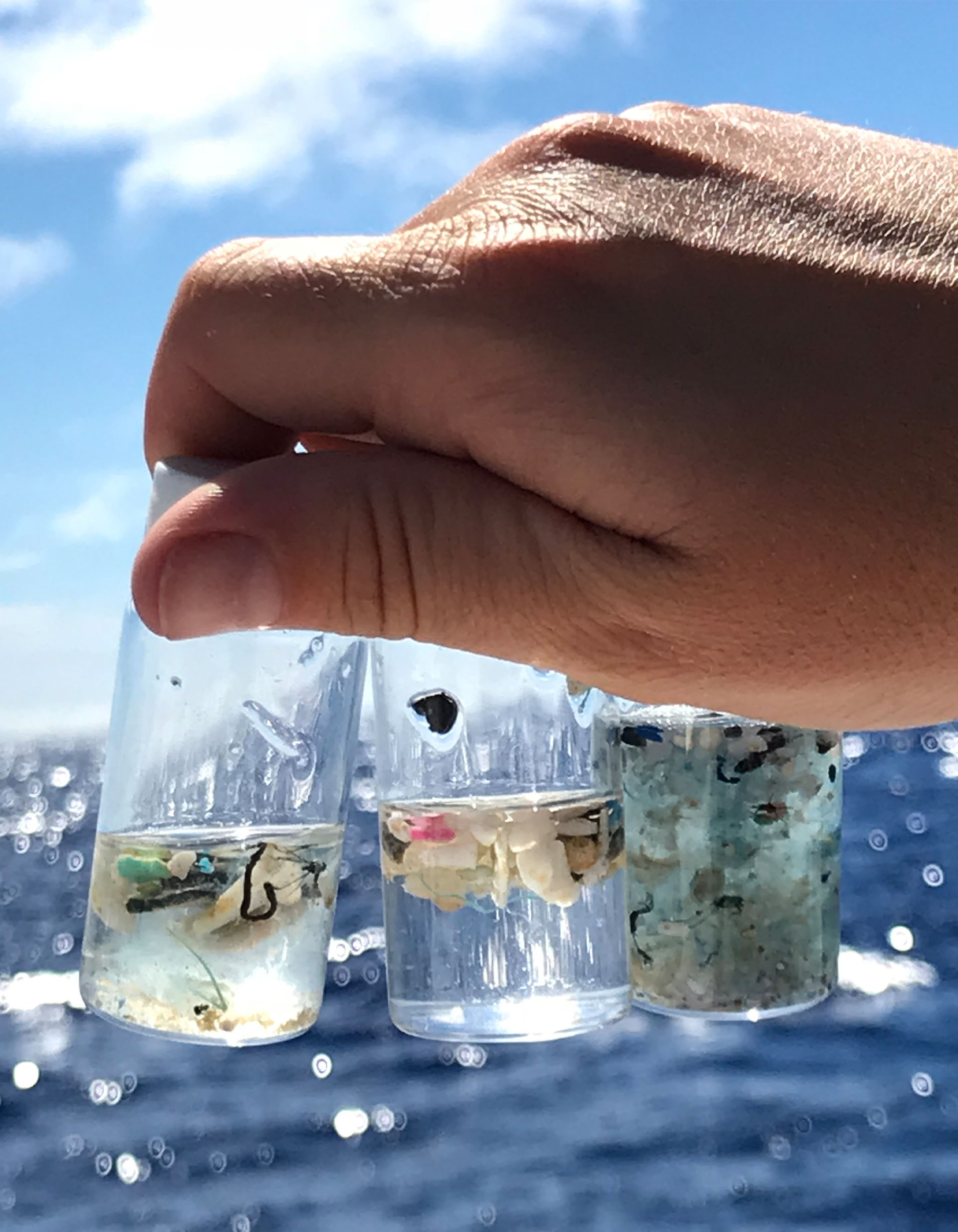
But when they trolled the sailboat at low speeds and trailed a filter through the water, the pollution became apparent. The filter captured gobs of shrimp-like krill, their tiny transparent bodies revealing threads of black plastic filaments inside.
Microscopic synthetic fibers quickly move up the food chain, becoming part of whales, seals, penguins, fish, and everything else that eats them.
Onboard, the crew collected debris and ran samples through a spectrometer that identified the unique chemical fingerprint of each polymer, which will allow scientists to match fragments to their source materials. The expedition will ultimately follow waste back to its source — Which shop shelf? Which brand? — so communities can start designing solutions that stem the plastics tide.
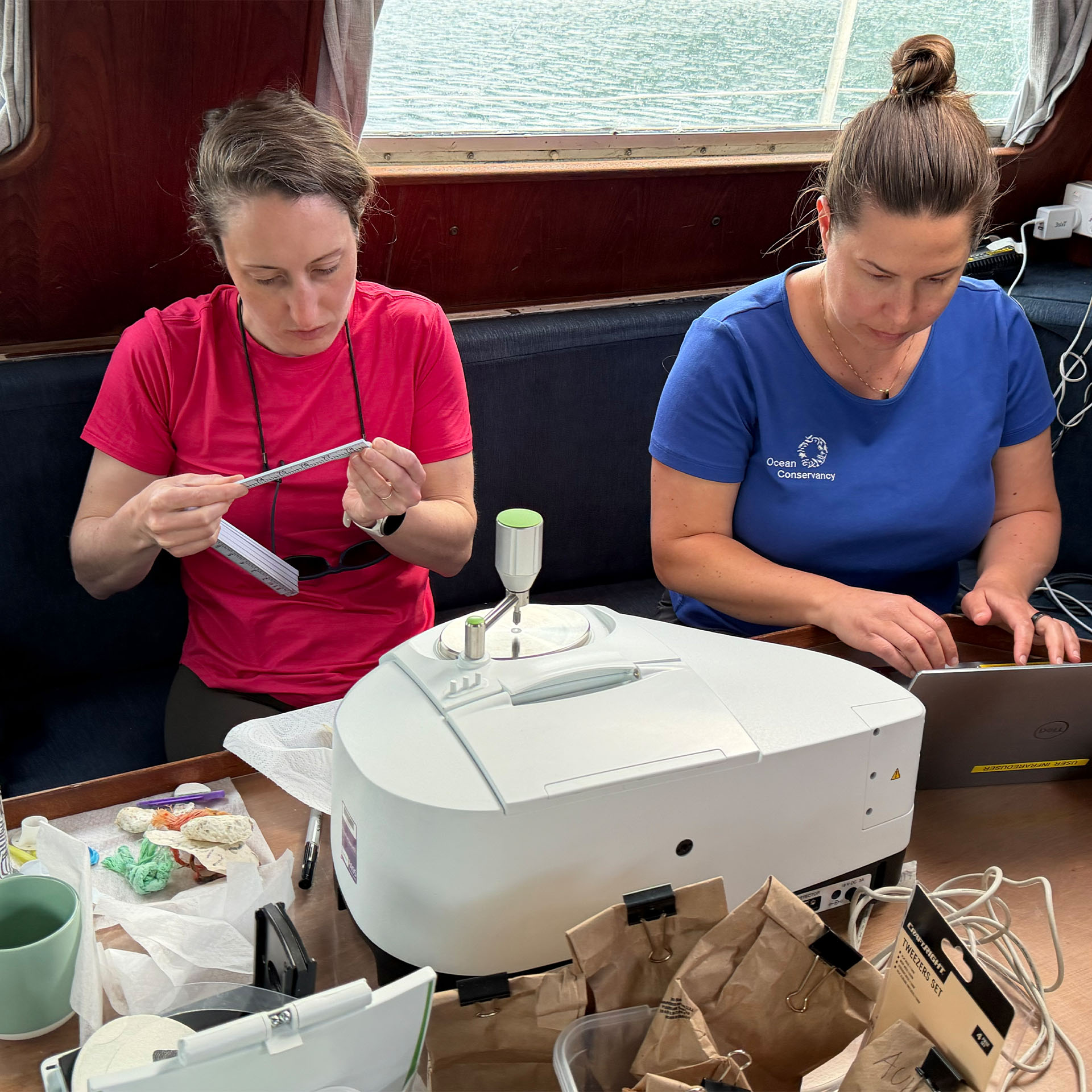
EXXpedition chooses each crew to include women of various talents and training. The goal is not just data — it’s also to create advocates who can return to their professions and communities to advocate for change. The first leg included an engineer from Bulgaria, a marine scientist from the United Kingdom, and an Indigenous ecologist from New Zealand.
Hokenson initially felt like she didn’t belong aboard.
“I struggled with imposter syndrome — what am I doing here?” Hokenson said. “I’m an ex-marketer trying to make swimwear.”
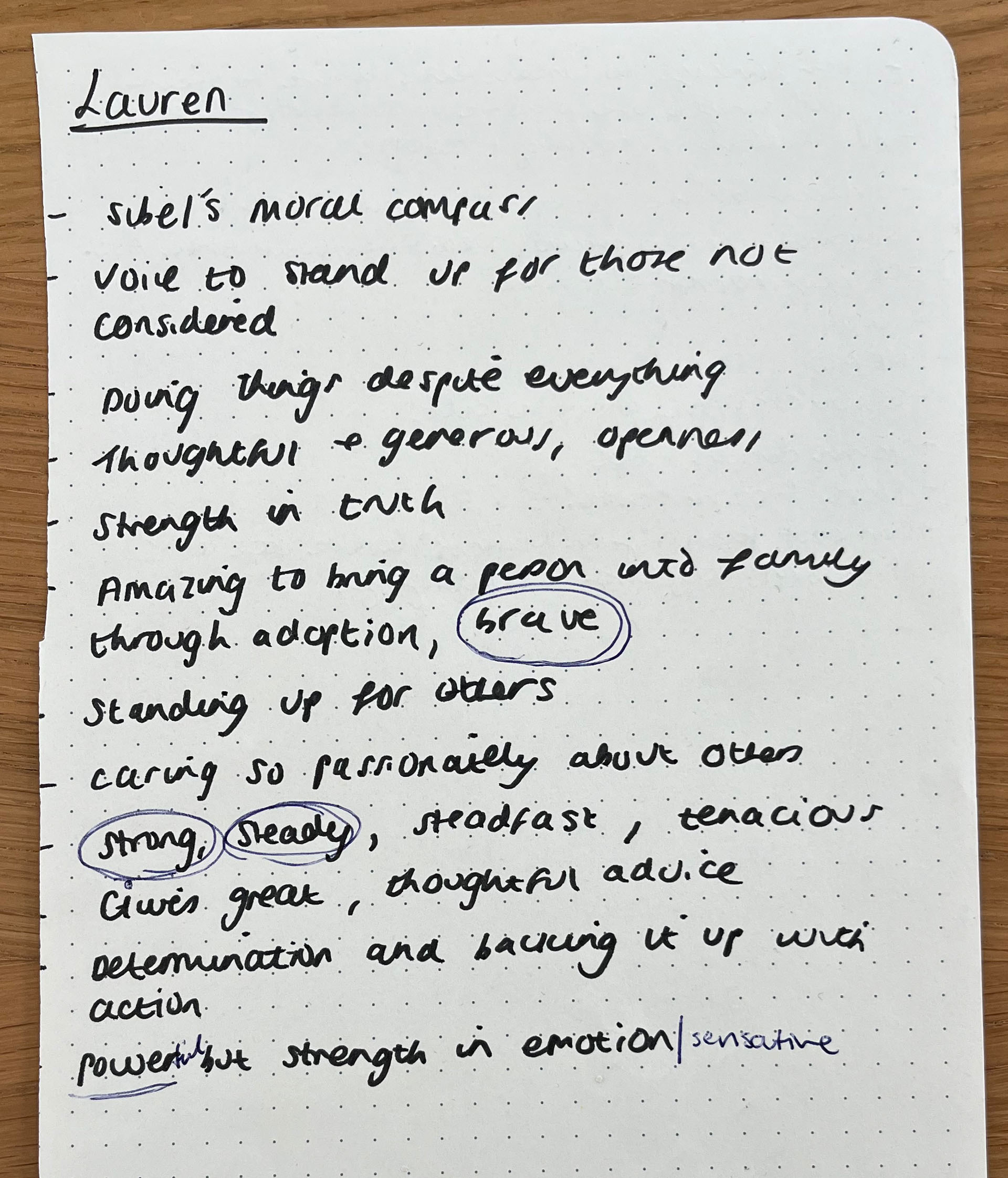
And then, one evening, the crew launched into a session called “Finding Your Superpower.” Each woman sat silently in the hot seat for four minutes. “Everybody else just spoke words of identity and empowerment and strengths that they saw” about her, she said.
One person took notes and handed each woman the list when the session was done. Far from seeing her as an imposter, Hokenson’s fellow crew members identified the determination so familiar to her family. They also saw in her strength, tenacity, bravery, and generosity.
“It was so powerful,” she said.
The voyage comes ashore
When Hokenson returned to greater Boston, she was glad to leave seasickness behind and rejoin her family. Though she never encountered a shark on her trip — that was her 10-year-old son’s grand hope for her — she did bring him stories of an octopus and videos of the anchor being raised from the sea floor.
She found herself missing the sense of adventure the expedition offered and dreaded the everyday reminders of the environmental challenge that had sent her to New Zealand in the first place.
And it was waiting for her, right in her front yard where trash blew in from the neighboring intersection. She remembers how she always picked it up when her family first moved into that house. More recently, she’d settled into just letting it stay there until it blew onto the next place.
“Being a part of eXXpedition is a representation of how I’m literally taking my life by the helm and steering it into a future that I really desire and feel called to.”
That mindset would no longer do. Together, she and her son employed the transect method of debris tracking she mastered in New Zealand and began mapping the waste along their street just outside the Boston city limits. “We had to stop after we collected 70 items, and it wasn’t even a block,” she said.
That activity was in the spirit of one goal of eXXpedition, to educate and empower ambassadors who can bring information and action about the plastics crisis into their own communities. Hokenson said she is also thinking about ways to engage local politicians and community members to create solutions. She is sharing her story, talking with others about the problem and possible solutions. She also hopes to host a public screening of the documentary that got her so energized.
And then there’s her swimsuit business — that fledgling idea, nagging at the back of her brain since childhood, that had before been just a little too risky and out of reach. Now, because of her experience with her crewmates on the sailboat, it’s gaining the momentum that comes with greater clarity. The shipmates helped one another define areas of focus where their skills and passions could contribute to change. For some of the women, it was policy or research. “Mine was definitely in between industry and community. That’s my sphere of influence moving forward,” she said.
She now has language to describe her emergent business: a regenerative model that gives back more to the planet and society than it takes. Her vision has grown from sewing sustainable swimwear to creating an entire enterprise that works to repair the ecological and societal harm done by a wasteful culture. It could include everything from the fabrics she sources to the workplace she creates for her employees.
She figured she was brave enough to apply for eXXpedition, and she was brave enough to go. What’s to stop her from being brave in this next venture, too?
“Being a part of eXXpedition is a representation of how I’m literally taking my life by the helm and steering it into a future that I really desire and feel called to, rather than letting life happen by default to me,” she said. “What we do with our lives is a choice that we make every single day.”
And this trip was just the latest opportunity for Hokenson to chase after her dreams and create a life that she truly loves and that loves the planet and its people back.
“I know that I’m just getting started.”
Lead photo by Sibel Bulay. All photos not otherwise credited are courtesy of Lauren Hokenson.