Voices
Dedicated Spiders
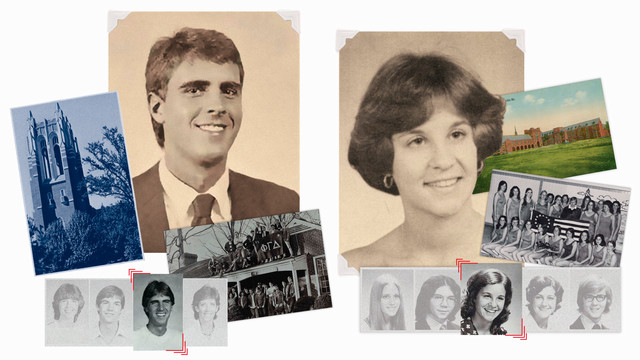
With Pat Rowland, W’77 and GB’81, and David Lyons, B’87, the Accelerate Richmond campaign has two co-chairs with deep love for the university. As a former and a current trustee, respectively, they’ve gotten a close look at every corner of the university. Here, they talk about the power of their Richmond experience and why they’re the campaign’s top cheerleaders.
If you could relive one ordinary day from your student years, what day would you choose?
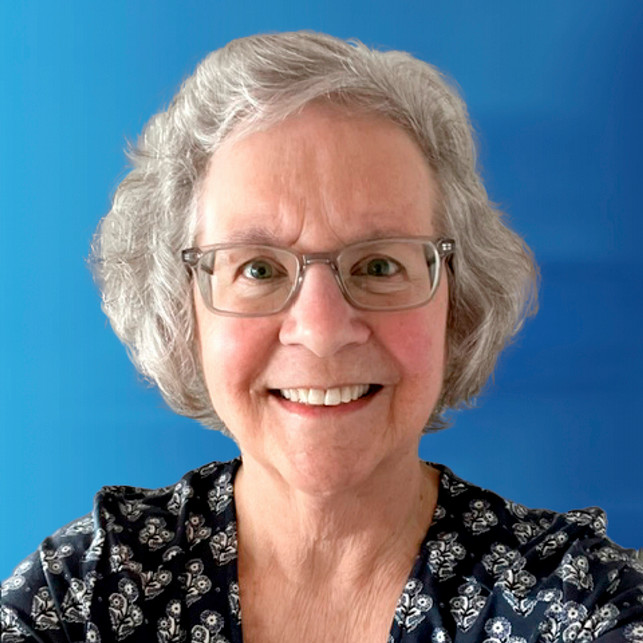
Pat Rowland: It’s a favorite ordinary day. I would attend three classes because they were my favorite, and I think they show that I loved the diversification of education at Richmond: either my anatomy or endocrinology lab, my art history class, and my comparative religion class. I’d enjoy family-style dinner with my friends, and then I’d like to say that I’d study at night, but I probably would go to a party, to be honest with you. That’s where I met my husband.
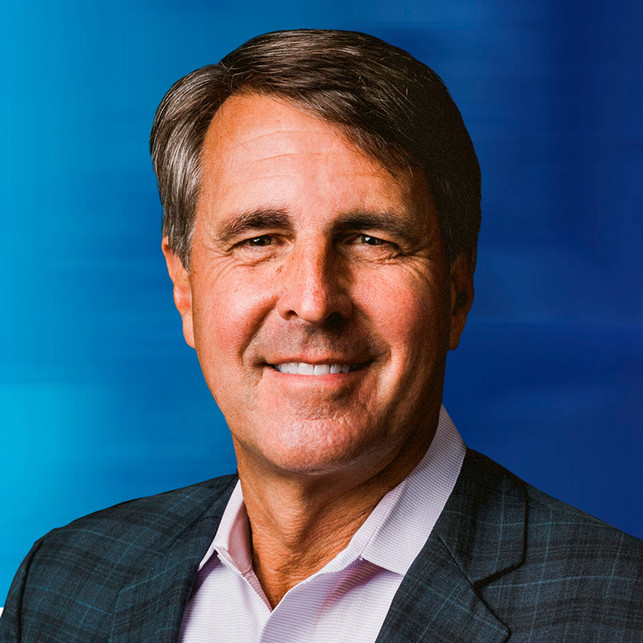
David Lyons: Any Friday on campus in the spring or the fall. Classes would wrap up in the afternoon, and then there was most likely some impromptu social event with fraternity brothers that probably involved some sort of intramural or athletics. Then there might be a Greek theater party where all of campus would descend for a live band. It was just a great time with one another in a setting that was almost idyllic, in that you were with a bunch of folks that you really enjoyed hanging out with.
What’s different about the university today than when you graduated, and what’s stayed the same?
PR: I think the school has gone from good to great. What I mean is that I got a great education, and there’s now the leadership school, the international program, the Richmond Guarantee. I was there when Title IX was adopted, so there’s many more women’s sports. What’s stayed the same? We’ve stayed the same size, and students get a full experience, not just an educational experience. The smallness, the intimacy with your faculty and your other students, those are still the same.
DL: Campus only gets more beautiful every year, and it has that same feel of this wonderful place where you got to spend four years.
What role has others’ philanthropy played in your life?
DL: I happened to be at the university not too long after the Robins gift came in, and I know how transformational that gift was. After the Robins set that lead example, other people got behind that momentum. It’s made our university’s profile rise in ways that I don’t think we could have imagined. You can point to many families who have made a huge impact on the university. I’ll never be able to give at those levels, but to me, it’s like, “If they can give, why can’t we?” So, it’s definitely had an impact on me, and it’s not about the dollar amount. It’s about the importance of giving. When you give, the spirit of giving gives something to you.
When did supporting the university philanthropically become personally important
to you?
PR: When I retired from Cigna, I became very active philanthropically but realized you can’t spread yourself too thin. You have to strategically pick what you feel most passionate about. It was education at Richmond for me. We don’t have children, so in many ways, our legacy will be our philanthropy. We can invest in the lives of students at the University of Richmond and help give them opportunities they might not otherwise have had, and that’s a meaningful legacy for us.
DL: I don’t know when I first made my first donation. Certainly, it was modest, maybe $10 as a senior. I don’t know that there was a true beginning to it, but when I moved back to Richmond, I reconnected with the university while I was getting to know my new boss [former UR rector Austin Brockenbrough, B’62]. The entry point for me was athletics, going to basketball and football games. From those activities, I was asked to become involved with Spider Athletics, alumni events, and those kinds of things, and I loved it. It fueled me. It made me excited to be a part of the Richmond community in a way that I hadn’t before.
When you were first asked to co-chair this campaign, what was your immediate reaction?
PR: I was honestly shocked and very honored and immediately said yes.
DL: I struggled a little bit with how someone like me, who gives regularly and passionately but modestly — like, I’m not the guy for the job. It was presented to me that the dollar amount of giving is not the important thing. It’s the passion and someone who truly cares about the university and is willing to share that.
“We want to continue building on the momentum we have.”
In your conversations with alumni, what themes come up again and again?
PR: There isn’t an alum that I’ve interacted with who doesn’t say Richmond’s so much better today. It just keeps taking steps forward.
DL: How successful the university’s been and its steady rise in reputation and rankings. There are some that struggle with, as good as the university has become, do we still embrace all the things that got us there? Are the values the same? I say, “Come check it out, talk to students, listen to our president, and I think you’ll be pleasantly surprised.”
What’s something you’ve learned from working together on this effort?
PR: [David’s] younger than I am, on the board now, and in Richmond. I think he brings a much more current and relevant perspective from the city that we’re located in, and I definitely think he has more of a pulse on alumni.
DL: [Pat’s] incredibly smart. Full stop. I knew her by name and reputation but had never met her. When I did, I was just blown away with how impressive she is — thoughtful and challenging in a very good and constructive way. I learn something on almost every call when she’s participating.
What do you hope a student enrolling in 2035 experiences because of efforts being made today?
PR: If Richmond’s a good fit and you want to go here, we can make that happen for you, regardless of your economic circumstances.
DL: We don’t need to remake the university, but there are students who qualify to go to the university but cannot afford it. I hope to be able to make that a nonissue. We want to continue building on the momentum that we have so when these students come in, they’re like, “I’m the luckiest kid in the world because I got accepted to University of Richmond, and when I graduate from here, I’m going to have an incredibly valuable diploma.”
When future Spiders look back at this moment in Richmond’s history, what do you hope they’ll say?
PR: We are approaching that time where we’re not just among the great, but we’re really the paradigm. I think we’re on the precipice of that.
DL: That the leadership at this time took their fiduciary role seriously, were good stewards of the university, and had a vision to invest that forward so that the university could continue to be excellent in all that it does. I think it’s taking what has been so good over the last 50 years and being very thoughtful about how we steward the university’s resources. It’s doing what we’re supposed to do.